


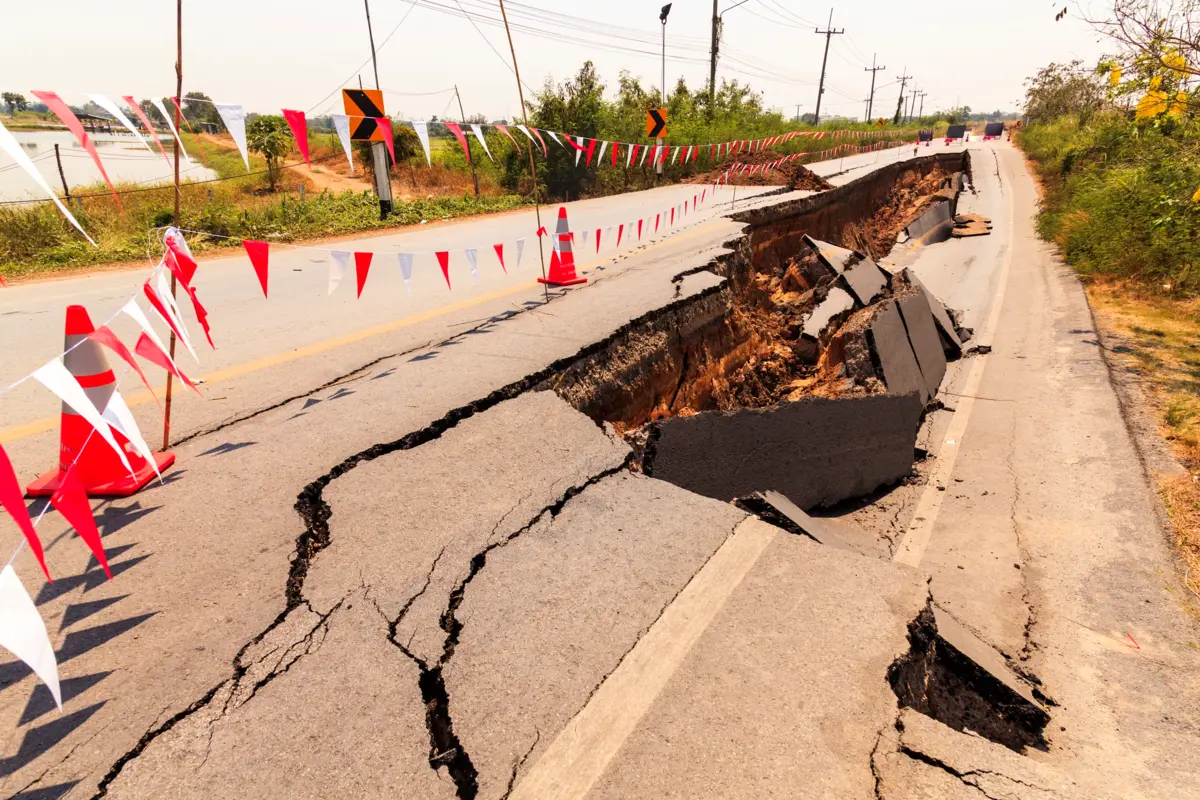
Bali sits within the Pacific Ring of Fire, which means earthquakes are a normal part of the region’s seismic activity. This does not, however, mean that damaging earthquakes are a frequent occurrence on the island. Small tremors are recorded regularly, many of them too weak to be felt, while major earthquakes causing serious damage in Bali itself are comparatively uncommon.
As of August 31, 2026, there had been no significant confirmed earthquake in or near Bali during the previous 24 hours, and recent seismic activity remained below the long-term average. For travellers, there is generally no reason to change plans solely because Bali is in an earthquake-prone region, but it is sensible to understand the basic precautions.
Here is what to know about earthquake risk in Bali, whether earthquakes elsewhere in Indonesia can affect the island, and the simple steps to follow if you do experience one.
Are Earthquakes Common in Bali?
Yes, although “common” needs some context. Bali lies along the Sunda Arc, where the Indo-Australian Plate moves beneath the Sunda portion of the Eurasian Plate. It is part of the wider Ring of Fire, the tectonically active belt associated with roughly 90 percent of the world’s earthquakes.
That means small earthquakes in and around Bali are normal. In the 30 days leading up to August 31, 2026, monitoring data recorded 47 earthquakes above magnitude 2 in or near Bali. Most were between magnitude 2 and 3, with only one above magnitude 4.
Strong earthquakes happen much less frequently. One of the most recent significant events close to Bali was a magnitude 6.0 earthquake in the Bali Sea on September 30, 2025. Historically, the strongest recorded earthquake in or near Bali since 1900 was magnitude 6.9 in the Bali region in May 1998.
Does a Quake Somewhere Else in the Country Impact Bali?
Indonesia is enormous. Its roughly 17,500 islands stretch across several thousand kilometers, so an earthquake making headlines somewhere in the country does not automatically mean Bali has been hit.
The magnitude 7.7 Flores earthquake on 15 August 2026 is a useful recent example. The earthquake struck off Flores in East Nusa Tenggara, causing severe damage, deaths, injuries and a tsunami in affected areas. Bali, however, remained operational. I Gusti Ngurah Rai International Airport reported that its flights and airport services continued normally following the earthquake, including routes between Bali and Labuan Bajo.
It helps to check a Bali map whenever reports mention an Indonesian earthquake. “Indonesia” covers a lot of ground, and the location of the epicenter makes a considerable difference.
Does an Earthquake Automatically Mean a Tsunami Risk?
No. An offshore earthquake can generate a tsunami, but most earthquakes do not. Bali’s coastal location means tsunami risk does exist. One of the last significant tsunamis to affect Bali occurred in 1994, following a magnitude 7.8 earthquake south of Java. Waves of around five meters reached parts of Jembrana in western Bali, although the island experienced relatively limited effects compared with areas closer to the source.
The important part for travelers is knowing when to act. If you are near the coast and feel strong shaking that lasts more than 20 seconds, do not wait around for confirmation. Move inland or toward higher ground and follow marked evacuation routes, even if a tsunami siren has not sounded yet.
Official alerts from Indonesia’s Meteorology, Climatology and Geophysics Agency, or BMKG, should take priority over social media posts and speculation.
What to Do If You Feel an Earthquake in Bali
If you are indoors, remember Drop, Cover, Hold On. Drop to your hands and knees, get beneath a sturdy table or desk if possible, cover your head and neck, and hold on until the shaking stops. Stay away from windows and objects that could fall. Do not use elevators.
If you are outside, move toward an open area away from buildings, trees, power lines and other structures that could fall. Protect your head while moving and remain aware of aftershocks.
Anyone staying in a coastal area should also take a moment to identify nearby tsunami evacuation signs before they are ever needed. The same basic preparation applies to Bali’s other natural conditions, from tropical storms to volcanic activity, so checking a reliable weather guide before heading out is worth the minute.
Is It Safe to Go to Bali Right Now?
Based on the information available on 31 August 2026, Bali continues to operate normally. Recent local earthquake activity was below average, and the major Flores earthquake earlier in August did not disrupt Bali airport operations.
Earthquakes cannot be predicted with certainty, and Bali will always have some seismic risk because of where it sits geographically. Serious destructive earthquakes on the island remain comparatively infrequent, while millions of trips take place without travelers experiencing a major seismic event.
Know the basic safety steps, follow official BMKG warnings, check that your travel insurance covers natural disasters, and carry on with the trip.
For everything else you might want to know before arriving, browse more Bali guides covering travel, local conditions and getting around the island.