BALI WEATHER GUIDE

From golden dry-season skies to the lush drama of the monsoon, know exactly what awaits you on the Island of the Gods.
bali weather

Understanding Bali’s Climate


Bali sits just 8° south of the equator, giving it a warm tropical climate year-round with two distinct seasons that shape everything from surf conditions to festival schedules.

Bali runs on two seasons: dry and wet. Köppen classes most of the island as tropical monsoon (Am), and the drier south (Kuta, Jimbaran, Uluwatu) as tropical savanna (Aw).

Temperatures remain steady, at roughly 25–⁠31°C by day and 21–⁠26°C at night, but rainfall changes a lot by month: about 1,700mm a year on the south coast.

The highlands around Kintamani (about 1,500m) are noticeably cooler, especially at night.

Humidity stays high at around 80% (BMKG: about 79%), a little lower in the dry season. Even in the wet season, most rain comes as short, heavy downpours, though January can bring longer spells.

27°C
Average Year-Round Temp (South Coast)
2
Distinct Seasons
~1,700
mm Annual Rainfall (South Coast)
8°S
Latitude (Near Equator)
☀️ Dry Season April – October

Bali's main tourist season, peaking in July and August. Clear skies, lower humidity, and steady trade winds make it ideal for beaches, surfing, and trekking. April and October bring a few short showers.

🌧️ Wet Season November – March

The island comes alive with lush greenery and far fewer crowds. Rain comes mostly in afternoon bursts, and mornings are usually bright. Hotel rates drop, except from 23 December to 6 January.

🌊 Surf Seasons

Bali's surf conditions depend on the season. The dry season brings world-class swells to the west coast (Uluwatu, Padang Padang), while the wet season favours the east coast (Keramas, Sanur Reef, Nusa Dua).

Best Time to Travel to Bali


The ‘best’ time to visit Bali depends entirely on what you want from your trip. Here is how we break it down across three distinct windows

Best Choice
☀️

Peak Season

July – August

The driest, sunniest stretch of the year, with breezy days and clear skies. It is also the busiest and most expensive time, so book 2–3 months ahead. Surf at Uluwatu and Padang Padang is at its best, and June is when high season starts.

🌤️

Shoulder Season

May–June & September–October

The smart traveller's window: great weather, fewer crowds, and prices roughly 20–40% below July–August. April–May opens the dry season, and September–October is when crowds thin out. Strong value for the weather you get.

☀️

Green Season

November – March

Budget-friendly and lush, with accommodation that can be 30–50% cheaper than peak. Good for culture, rice terraces, and spas; plan outdoor activities for the mornings. The exception is 23 December to 6 January, the priciest and busiest stretch of the year.

The Forge Bali's Take

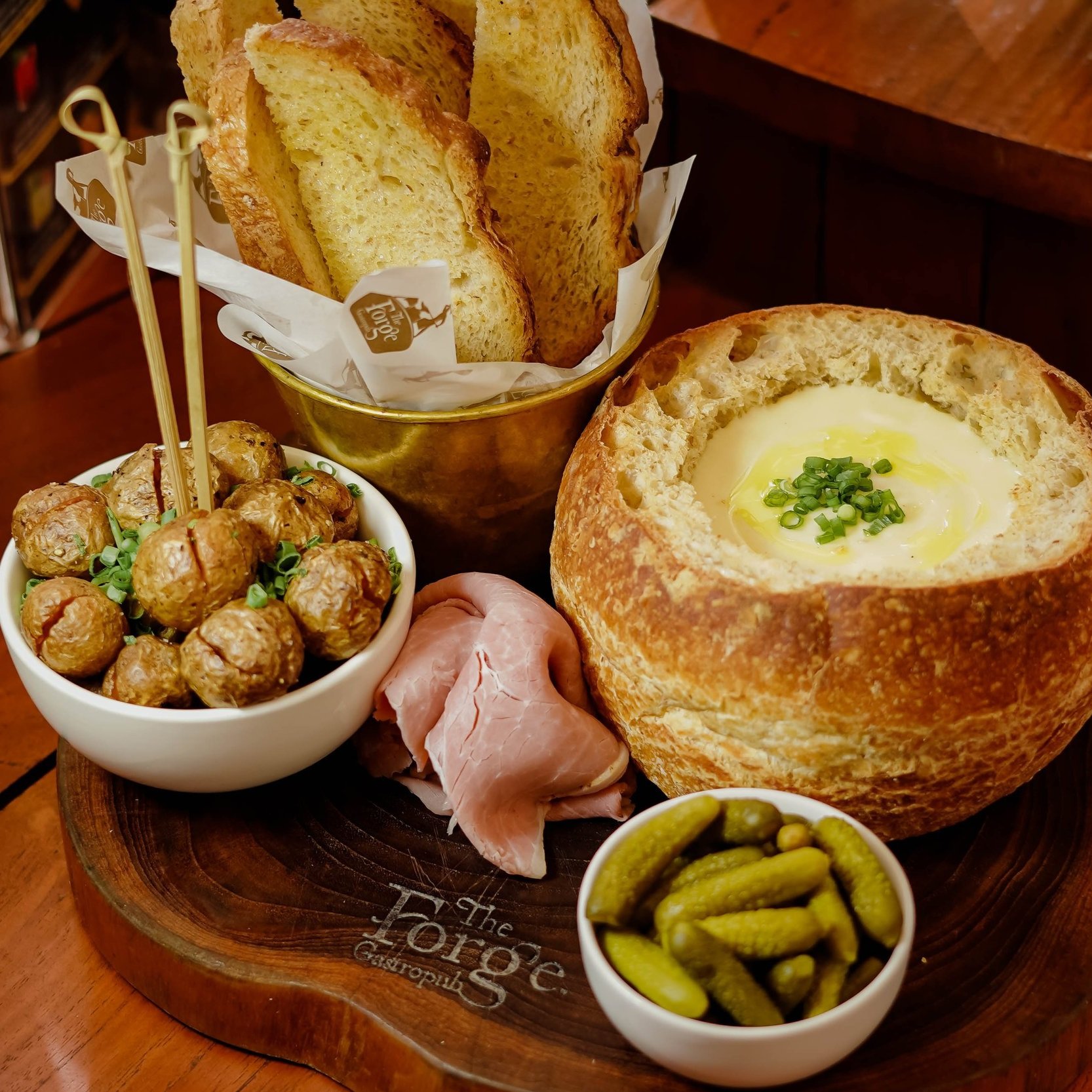
No matter when you visit Bali, The Forge is your home base for cold beers, live sports, and hearty gastropub fare. Whether you've arrived after a sun-soaked day on Kuta Beach or ducked in from a tropical downpour, you'll find your game on the big screen and a Bintang waiting. The Forge open every day, rain or shine.

Bali Weather Every Month


A quick-reference guide to Bali’s weather across all twelve months of the year.

Jan

⛈️

27-31° / 23-26°

🌧280-330mm

Feb

🌦️

27-31° / 23-25°

🌧260-300mm

Mar

⛅

27-31° / 24-26°

🌧️200-225mm

Apr

🌤️

28-31° / 22-25°

💧 120-130mm

May

🌤️

28-31° / 22-25°

💧 75-120mm

Jun

☀️

27-31° / 22-26°

💧 50mm

Jul

☀️

27-30° / 22-24°

💧 25-40mm

Aug

☀️

27-30° / 22-24°

💧 Minimal

Sep

🌤️

27-29° / 21-23°

💧 Low

Oct

⛅

27-29° / 23-24°

💧 ~68mm

Nov

🌦️

26-30° / 23-25°

🌧️ 150–190mm

Dec

⛈️

25-30° / 23-25°

🌧️ 220–270mm

Dry Season (Apr – Oct) Wet Season (Nov – Mar)

Bali Weather Month by Month


Everything you need to know about each month of the year, including weather conditions, key events, and recommended activities.

January

⛈️

Bali's wettest month. Expect heavy afternoon downpours, and occasionally full-day rain around mid-month. Mornings are often bright and the island is lush and green. Hotel rates drop after 6 January.

Best activities: Galungan (13 January 2027) and Kuningan (23 January), Mekotek in Munggu (23 January), Ngerebong in Denpasar (31 January), temple visits, spa days, waterfall chasing.

27-31°CHigh
23-26°CLow
280-330mmRainfall
85%Humidity

February

🌧️

Rain eases and showers get shorter, with sunnier mornings. Chinese New Year (Imlek) falls on Saturday, 6 February (joint leave on 5 February), bringing a short bump in visitors and prices around Kuta, Sanur, and Denpasar. Mornings are the most reliable time for outdoor plans.

Best activities: Imlek celebrations (6 February 2027), rice terrace walks, indoor spa experiences, east-coast surfing.

27-31°CHigh
23-25°CLow
260-300mmRainfall
80-85%Humidity

March

🌤️

Rain eases and the sun returns. Nyepi falls on Monday, 8 March: the island goes quiet for 24 hours and Ngurah Rai Airport closes. Idul Fitri follows on 10–11 March, so book flights and stays early. Stock up on food and water beforehand, as restaurants and shops outside hotels close.

Best activities: Melasti ceremonies, Ogoh-Ogoh parade (evening of 7 March 2027), Nyepi (8 March), Omed-Omedan in Sesetan (9 March), hiking, beginner-friendly surf.

27-31°CHigh
24-26°CLow
200-225mmRainfall
75-85%Humidity

April

⛅

The dry season begins. Rain is rare, with short showers on about 9 days, and humidity drops. The landscape is still green and skies are clear, with hotel rates still below peak. Mornings suit the Mount Batur sunrise trek, and calmer seas help diving and snorkelling. Sunsets are reliably clear, and traffic in Canggu and Seminyak is manageable outside peak hours.

Best activities: Mount Batur trek, diving and snorkelling, cycling tours, BaliSpirit Festival in Ubud (22–25 April 2027), Kartini Day (21 April).

28-31°CHigh
22-25°CLow
120-130mmRainfall
70-80%Humidity

May

🌤️

A strong month to visit: dry, warm, and quiet before high season, with about 75–120mm of rain over 8–12 days. A near week-long holiday block (15–20 May, including Idul Adha and Waisak) can lift domestic demand. Ubud Food Festival is usually late May or early June.

Best activities: Surfing, Mount Batur sunrise trek, diving, Tumpek Wayang (8 May 2027), Waisak ceremonies (20 May), Saraswati Day (29 May), Ubud Food Festival (dates TBA).

28-31°CHigh
22-25°CLow
75-120mmRainfall
75-80%Humidity

June

☀️

High season begins: very little rain (about 50–90mm over 5–6 days), clear skies, and great visibility. Mornings are the best time to surf, with offshore winds and quieter lineups. The Bali Arts Festival usually runs mid-June to mid-July (2027 dates not announced; the 2026 edition ran 13 June–11 July). 1 and 6 June are public holidays.

Best activities: Bali Arts Festival (from mid-June, dates TBA), Balinale film festival in Sanur (dates TBA), Pagerwesi (2 June 2027), Tumpek Landep (12 June), diving, surfing.

27-31°CHigh
22-26°CLow
50-90mmRainfall
70-80%Humidity

July

☀️

Peak month: warm, dry, and breezy, with only about 3–5 rainy days (25–40mm). Expect the biggest crowds and highest prices, so book everything early. Surf at Uluwatu and Padang Padang is at its best, and village festivals add a cultural touch.

Best activities: World-class surfing, beach clubs, Tumpek Uduh (17 July 2027), Bali Arts Festival finale, Penglipuran Village Festival and Rare Angon Kite Festival (dates TBA).

27-30°CHigh
22-24°CLow
25-40mmRainfall
75-80%Humidity

August

☀️

Peak season continues: minimal rain (1–3 brief showers), strong trade winds, and clear water. Independence Day on 17 August fills villages with red-and-white decorations and street games. The Ubud Village Jazz Festival and Maybank Bali Marathon also take place this month. Get out early: surf lineups and temples are quietest before 9 AM.

Best activities: Independence Day celebrations, surf, diving, Ubud Village Jazz Festival.

27-30°CHigh
22-24°CLow
MinimalRainfall
77%Humidity

September

🌤️

Great weather with thinner crowds as European summer holidays end. Prices ease, and mola mola (sunfish) season at Nusa Penida peaks. Seas are calm for boat trips to the Nusa Islands. A good balance of weather and crowds.

Best activities: Mola mola diving, uncrowded beach time, Ubud day trips, sunset cocktails.

27-29°CHigh
21-23°CLow
LowRainfall
75%Humidity

October

⛅

A transition month. A few showers return (about 68mm across 6–12 rainy days), but most days stay sunny. Rice fields are freshly planted, and the Ubud Writers & Readers Festival fills Ubud in the second half of the month.

Best activities: Rice field photography, Ubud Writers & Readers Festival, cultural immersion, budget deals.

27-29°CHigh
23-24°CLow
68mmRainfall
66-77%Humidity

November

🌧️

The wet season begins: afternoon storms get more frequent, while mornings stay dry and warm. Waterfalls (Gitgit, Sekumpul, Nungnung) are at their best, and crowds and prices are low. Skip the Mount Batur and Mount Agung treks this month, as trails get slippery.

Best activities: Waterfall trekking, east-coast surfing, yoga retreats, Ubud cultural experiences.

26-30°CHigh
23-25°CLow
150-190mmRainfall
82%Humidity

December

⛈️

The wet season in full swing, yet one of the busiest months. Rates spike around 23 December–6 January, while the first three weeks are cheaper and quieter. Rain doesn't stop the party, and at The Forge it adds to the cosy gastropub vibe.

Best activities: New Year celebrations, festive beach events, indoor dining and bar scene.

25-30°CHigh
23-25°CLow
220-270mmRainfall
85%Humidity


Dry Season vs Wet Season


Both seasons offer a remarkable Bali experience, the key is knowing what each one brings to the island.

Dry Season

April – October

Southeast trade winds from Australia bring dry air and keep temperatures slightly cooler than in the wet season. Skies are usually clear, especially in the mornings.

Diving and snorkelling visibility peaks, and the water stays around 26–29°C. Manta rays at Nusa Penida are there year-round.

Surf on the Bukit Peninsula is at its most consistent from May to September, and best in July and August. Unpaved roads can get dusty in the peak months.

What to expect during the dry season:

  • Minimal rainfall from June to August
  • Lower humidity than the wet season, with a steady sea breeze
  • World-class surfing on the west coast (Uluwatu, Padang Padang, Bingin, Dreamland)
  • Excellent diving and snorkelling visibility (15–30m+)
  • Clear mornings for Mount Batur sunrise treks
  • All outdoor activities are in season
  • Maximum crowds at Kuta, Seminyak, and Ubud
  • Premium prices in July–August, so book well in advance

Wet Season

November – March

Moist northwest winds bring daily rain, but rarely all day. Mornings are usually bright, with a heavy shower in the afternoon. January can bring longer wet spells.

Rice terraces turn bright green, and the waterfalls (Gitgit, Sekumpul, Nungnung, Tegenungan) are at their most powerful.

Temple ceremonies and the cultural calendar are especially rich in this period.

What to expect during the wet season:

  • 30–50% lower accommodation prices (except 23 December to 6 January)
  • Far fewer tourists at temples, attractions, and beaches
  • Waterfalls at maximum power and beauty
  • Lush, photogenic rice terrace scenery throughout Bali
  • East coast surf season (Keramas, Sanur Reef, Nusa Dua reef breaks)
  • Big skies for landscape photography
  • Rich cultural calendar with temple ceremonies and festivals
  • Rain typically arrives in the afternoon, leaving mornings free for outdoor activities


In Bali? Find Your Table


Whatever the weather outside, The Forge is your home base. Cold craft beers, live sports on the big screen, and the best gastropub food on the island — rain or shine, we’re open every day.