
BALI WEATHER IN JANUARY
– Wettest Month of the Year · Galungan & Kuningan · Low Season –
Bali’s wettest month. Also its most spiritually significant. January opens with Galungan and Kuningan, then settles into quiet, rain-swept, exceptional value for the rest of the month.
January at a Glance
What to Expect in January
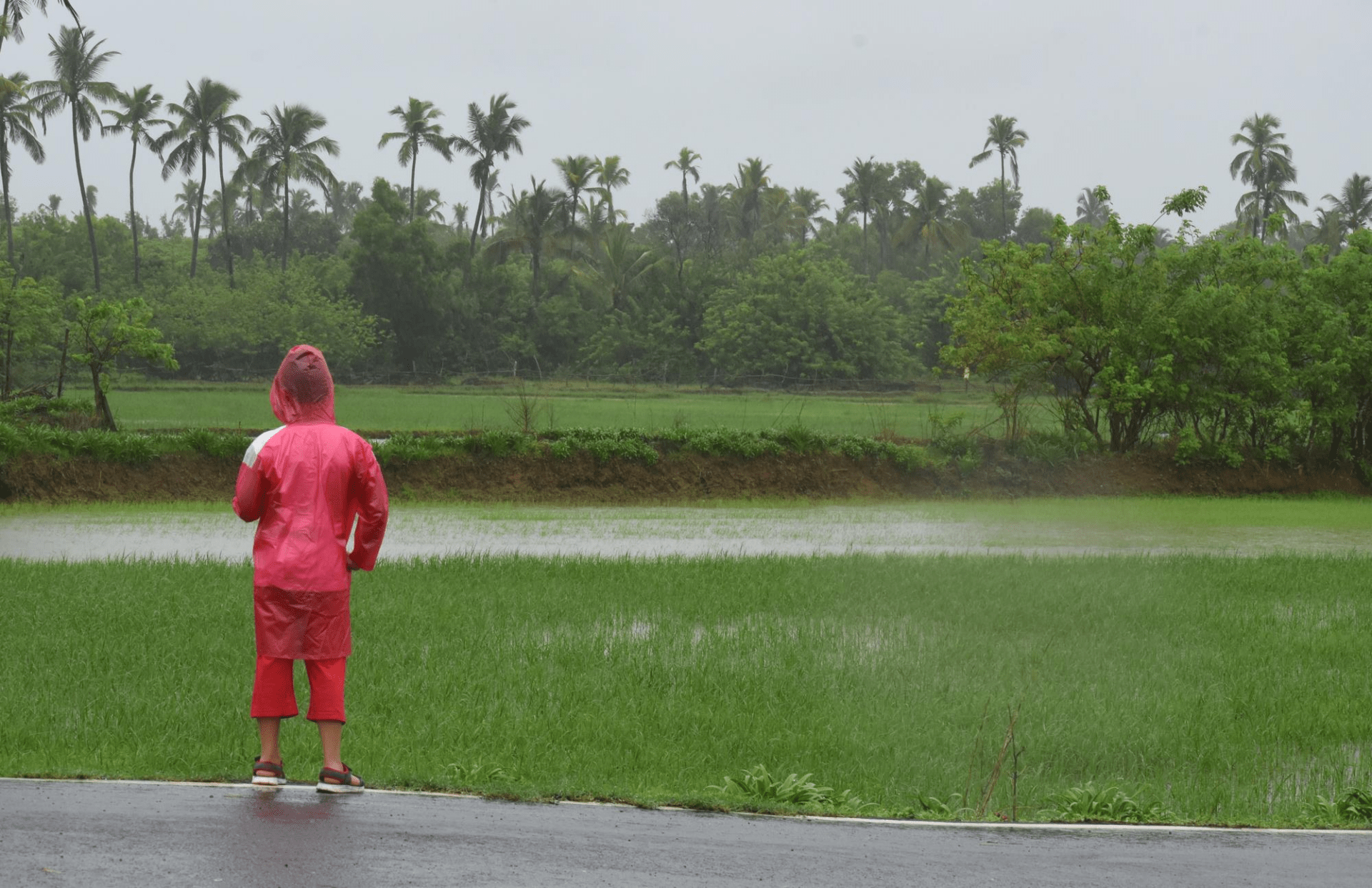
January sits at the peak of Bali’s wet season. It’s officially the wettest month of the year, and most travellers feel that within a day or two of arriving. Rain falls on most days, usually building through the afternoon after a morning that starts bright or partly cloudy. Full-day rain does happen, particularly around the middle of the month, though it’s the exception rather than the rule.
Temperatures hold steady at 27-31°C during the day and 23-26°C at night. What changes is how the heat feels. Humidity climbs to around 85%, its highest point of the year alongside December, so January’s warmth carries a heaviness that the dry season months don’t have. Sunshine still averages around 8 hours a day, similar to December.
Rainfall totals around 280-330mm across roughly 18 to 22 rainy days, making January the wettest single month on Bali’s calendar. When storms roll through they’re often genuinely heavy, sometimes lasting a full day rather than clearing within an hour the way November’s showers typically do. The upside is visual: rice terraces, waterfalls, and jungle trails are at their absolute greenest and fullest.
Crowds follow a sharp curve this month. The first week carries the tail end of New Year’s energy, with visitor numbers and prices still elevated through around 6 January. After that, international tourist numbers drop fast, even as the island’s biggest Hindu holiday, Galungan, brings its own wave of domestic travel and family gatherings from the 13th. By late January, the back stretch of the month is consistently one of the quietest, cheapest periods anywhere on Bali’s yearly calendar for international visitors.
Weather by Area
January’s heavy rainfall lands unevenly across the island, and the gap between regions is wider this month than in November or December.
- Canggu & Seminyak (West Coast): warm and humid at 27-30°C, with frequent short showers that build through the afternoon. Coastal areas fare better than the highlands, though sea conditions turn rough enough to limit some water activities.
- Ubud (Central Highlands): cooler at 24-28°C, with persistent humidity and rain that often lasts longer here than on the coast, sometimes covering an entire day. Mornings are frequently misty.
- Kintamani (Mountain / Caldera): the coolest and wettest area covered here, with long steady rain spells and chilly highland nights. January is the least forgiving month of the year for a Kintamani day trip.
- Uluwatu & Nusa Dua (Bukit Peninsula): sees less rain than the highlands thanks to the fast-draining limestone terrain, and temperatures hold around 27-30°C with a genuine mix of sun and showers. Seas are rougher than usual, which limits swimming at some beaches.
- Sanur & the Nusa Islands (East Coast): slightly drier overall than the highlands, with warm days around 27-30°C and afternoon showers that tend to be short and scattered rather than sustained. Choppy seas and reduced visibility affect diving and snorkelling around the Nusa Islands.
Temperature & Comfort
The daytime range of 27-31°C isn’t dramatically different from the rest of the wet season, but January’s peak humidity makes it feel like the muggiest stretch of the year. Evenings settle to 23-26°C on the coast, warm enough that breathable, quick-drying fabrics matter more than actual layers. In the highlands, especially Kintamani, evenings run several degrees cooler and a light jacket is genuinely useful.
Rainfall & Sunshine
January’s rain isn’t evenly spread. Some stretches bring a shower most afternoons; others settle into a run of grey, wetter days that can last close to a week. Sunshine still averages around 8 hours daily, enough for a proper morning outdoors most days, but this is the one month where a fully sunny week can’t be counted on. When the sun does break through, UV remains strong.
Sea & Surf Conditions
The sea is at its roughest of the year in January. Strong winds, bigger swells, and reduced visibility make this a difficult month for boat trips, diving, and snorkelling unless conditions on a given day are checked carefully with a local operator. Seasonal debris continues washing onto west coast beaches (Kuta, Seminyak, Canggu), a pattern that started in December and typically runs through February.
Surf keeps following the wet season pattern set in November and December. The NW monsoon holds the east coast breaks, Keramas, Sanur Reef, and Nusa Dua’s reef system, in reasonable working order, while the west coast is largely off form. January swells on the east side can be bigger and messier than November’s, so this is a month for checking forecasts closely or going out with a local guide rather than relying on what worked earlier in the wet season.
Crowds & Prices: Is January a Good Time to Visit Bali?
Split January into three windows and the answer changes each time. The first week (through around 6 January) is still riding New Year’s momentum: prices and crowds stay close to December’s peak. The Galungan and Kuningan stretch from the 13th to the 23rd brings a different kind of activity, more local and domestic than international, with roads busier around temples and family compounds but tourist pricing largely unaffected. Outside those windows, January is one of the best value stretches of the entire year, with flights, villas, and restaurant tables all easy to find.
It’s a strong month for travellers who want quiet, low prices, and don’t mind planning around rain, and an especially good one for anyone hoping to witness Galungan’s island-wide decorations and ceremonies. It’s a harder month for anyone chasing dry season activities like boat trips, diving, or a Mount Batur sunrise trek. If flexible dates are an option, the final third of January rewards patience more than almost any other point on Bali’s calendar.
January’s Daily Weather Rhythm
January calls for the most flexible daily rhythm of the wet season months. Rain can arrive earlier, run longer, and repeat more often than in November or even December, so plans work best when they’re built around a morning window with a solid indoor backup for whatever the afternoon brings.
Early Morning: 6:00 AM – 10:00 AM
Still the most reliable stretch of the day, though January mornings are less consistently clear than earlier in the wet season. Temple visits, markets, and any outdoor plan worth prioritising belong in this window. Check the forecast the night before rather than assuming a clear start.
Late Morning to Early Afternoon: 10:00 AM – 2:00 PM
Cloud builds faster in January than in the earlier wet season months, and showers can start earlier in the day too. Treat this as a workable but unreliable window, good for a beach morning or a pool day with a plan B already in mind.
Afternoon: 2:00 PM – 6:00 PM
The highest-risk window of the day, and in January it’s genuinely common for rain to settle in for several hours rather than pass through quickly. This is the month to fully commit to the indoor plan: a long lunch, a spa afternoon, a museum, or a cooking class.
Evening: 6:00 PM – Late
Many evenings clear enough for a comfortable dinner outdoors, though January is more likely than November or December to serve up a wet evening too. Keep dinner bookings flexible where possible, and treat a dry, clear evening as a genuine bonus rather than the default.
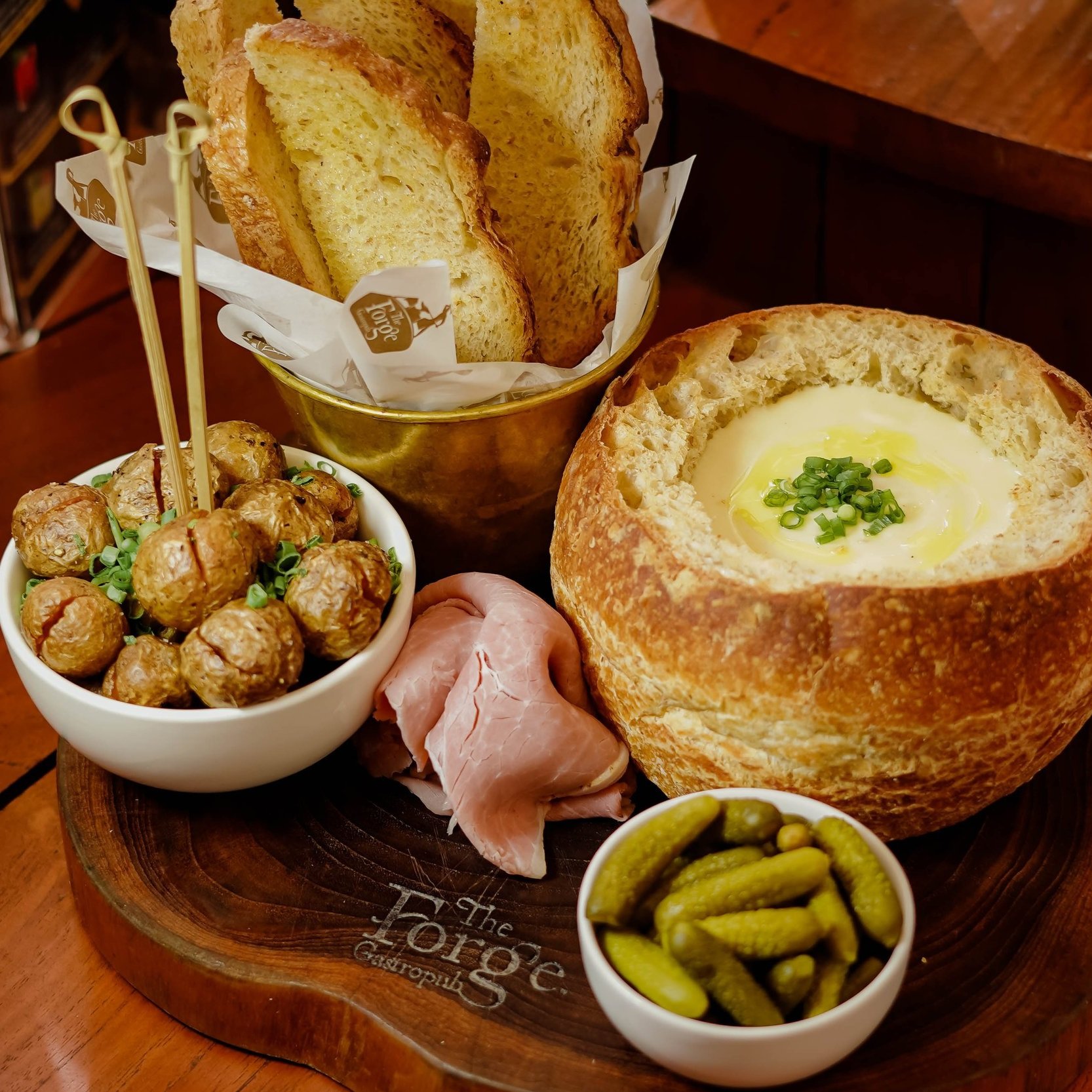
January is when The Forge settles into its easiest rhythm of the year. Covered seating means the rain is never a reason to skip a table, and with the December crowds gone, it's the best month to properly settle in: cold craft beers and Bintangs, world sport on every screen, and a full pub kitchen running from open to close. Book or walk in: forgebali.com/reservations.
Best Things to Do in Bali in January
January’s activity list leans heavily indoor and cultural, with outdoor plans reserved for morning windows and treated as a bonus rather than a guarantee, and one of the year’s biggest ceremonial stretches running through the middle of the month.
Culture & Temples
- Galungan and Kuningan (13 to 23 January 2027): the island’s most important ceremonial period, when ancestral spirits are believed to visit the earth. Streets fill with tall bamboo penjor decorations, and temples across Bali hold major ceremonies; a genuinely special window to be on the island, even with the rain
- Temple visits before mid-morning: Tirta Empul, Uluwatu, and Tanah Lot are all workable year round since the core rituals happen outdoors regardless of rain; aim for an early start
- Ubud’s Royal Palace, art markets, and galleries: a dependable option whatever the sky is doing that afternoon
- Mekotek (23 January 2027, Munggu Village): a centuries-old ritual where villagers build human towers from bamboo poles, followed by dance and gamelan performances; a striking, little-touristed local tradition
- Ngerebong (31 January 2027, Pura Agung Petilan, Denpasar): a Hindu ceremony centred on harmony and community, with traditional dress, prayer, and dance around one of Denpasar’s suburban temples
Wellness, Spas & Indoor Culture
- Ubud’s spa and yoga scene: the single best rain-day retreat on the island, and January’s quiet season means better availability than almost any other month
- Cooking classes in Ubud or Seminyak: a genuinely useful way to fill a wet afternoon
- Museums and galleries: the Neka Art Museum and ARMA in Ubud remain excellent, weather-proof options
Nature & the Green Season
- Jatiluwih and Tegallalang rice terraces: at their absolute greenest and fullest by January, though roads out to Jatiluwih can occasionally be affected by mudslides after heavy rain
- Waterfalls (Tegenungan, Gitgit, Aling-Aling): running at full flow; footing is slippery, so proper shoes matter
- White-water rafting on the Ayung or Telaga Waja rivers: at peak flow this month, delivering the year’s most thrilling rapids
Note: Mount Batur and Mount Agung treks are not recommended in January; trails are muddy and visibility is often poor, and some operators pause tours entirely during the wettest weeks
Beach & Coastal Life
- Nusa Dua and Sanur: the calmest, most swimmable beaches during January’s roughest sea conditions
- Beach clubs with covered seating: essential rather than optional this month
- Jimbaran Bay seafood dinner: a reliable evening activity, largely unaffected by afternoon rain patterns
Events & Festivals in January
January’s calendar swings between two very different registers: a quiet start and finish, bracketing one of the most significant ceremonial stretches on the entire Balinese calendar.
New Year’s Day (1 January 2027, Island-Wide)
A national public holiday and the quieter counterpart to the night before. Many restaurants, hotels, and beach clubs run relaxed brunch or recovery-day programming, and the general pace across the south coast is noticeably calmer than 31 December.
Suwat Water Festival (1 January 2027, Suwat Village, Gianyar)
A local celebration marking the new year with the traditional Siat Yeh water ritual: villagers split into four teams and douse each other with buckets of holy water at the village crossing. It’s a genuinely local event with little English-language information available in advance, so asking at your accommodation or a local guide is the best way to find current details.
Galungan (13 January 2027, Island-Wide)
Bali’s most important Hindu celebration, marking the victory of dharma (good) over adharma (evil) and the day ancestral spirits are believed to return to visit their families. Streets and homes across the island are decorated with penjor, tall arched bamboo poles hung with offerings, and temples hold elaborate ceremonies. Falling once every 210 days on the Pawukon calendar, this is a rare and remarkable window for visitors to see Bali at its most festive.
Kuningan (23 January 2027, Island-Wide)
The closing ceremony of the Galungan period, held ten days later, marking the ancestral spirits’ return to the heavens. Families prepare elaborate offerings and gather for prayers, and the island’s decorations remain in place, making the full Galungan-to-Kuningan window one of the most visually rich times to visit any temple.
Mekotek (23 January 2027, Munggu Village, Mengwi District)
A centuries-old ritual, held the same day as Kuningan, in which villagers carry long bamboo poles through the streets and build makeshift human towers, believed to ward off misfortune. Traditional dance and gamelan performances follow. A vivid, little-touristed tradition worth the drive from South Bali.
Ngerebong (31 January 2027, Pura Agung Petilan, Denpasar)
A Hindu ritual centred on harmony, held eight days after Kuningan at a temple in one of Denpasar’s suburbs. Expect elaborate penjor decorations, traditional dress, prayer, and dance, with some participants entering a trance-like state during the ceremony.
What to Pack for January in Bali
Clothing Essentials
- Lightweight, quick-drying clothing: essential given January’s peak humidity; cotton and linen struggle to dry between showers
- A proper rain jacket or poncho: more reliable than an umbrella once wind picks up, and worth having on hand daily this month
- Light layer or hoodie: useful for cooler evenings in Ubud and Kintamani
- Closed-toe shoes with good grip: temple steps, rice terrace paths, and waterfall trails get genuinely slippery
- Sarong: required for temple visits; especially useful if visiting during Galungan or Kuningan, when temples are at their busiest
- A spare set of clothes packed in a dry bag: worth keeping accessible for the day a downpour catches you out
Sun & Protection
- SPF 50+ sunscreen: UV stays strong whenever the sun appears, cloud cover or not
- Wide-brimmed hat and sunglasses: for the mornings that do start clear
- A proper umbrella or poncho: a near-daily necessity this month rather than a just-in-case item
- Waterproof phone pouch or dry bag: genuinely useful for any day involving boats, beaches, or extended time outdoors
Activity-Specific
- A 2-3mm shorty wetsuit or rash guard: for surf sessions in cooler, choppier wet season water
- Reef-safe sunscreen: for the diving and snorkelling days conditions allow
- Sturdy sandals or trekking shoes: for rice terrace walks and waterfall visits, where grip matters more than usual
Health & Comfort
- Insect repellent: mosquito activity peaks with January’s rainfall and standing water; apply at dawn and dusk
- Basic rehydration or electrolyte sachets: helpful given the month’s peak humidity
- A good book or two: genuinely useful for the odd rained-out afternoon that indoor activities alone won’t fill
Best Areas to Stay in January
January’s heavy, uneven rainfall makes the choice of base more consequential than in the drier months, and Galungan adds a cultural dimension worth factoring in too.
Seminyak / Petitenget
The easiest base for riding out January’s frequent showers, with enough cafes, restaurants, spas, and covered venues nearby that a wet afternoon is barely a disruption. January’s quiet season also means better availability and easier bookings than any other month.
Best for: travellers who want reliable rain shelter without sacrificing dining and nightlife options.
Bukit Peninsula / Uluwatu & Nusa Dua
The most weather-resilient base for January, thanks to the Bukit’s fast-draining limestone terrain and Nusa Dua’s sheltered, reef-calmed beaches, which stay swimmable even when the west coast turns rough.
Best for: travellers prioritising drier days and calmer water, and surfers working the east coast season.
Ubud
January’s rice terraces and jungle are at their greenest, though this comes with the highlands’ heaviest rain and mistiest mornings of the year. Also one of the richest places to witness Galungan and Kuningan, with the Royal Palace and surrounding temples heavily decorated.
Best for: yoga and wellness seekers, photographers chasing the deep green season, and culturally curious travellers wanting Bali’s quietest, most decorated base.
Sanur
Calmer, more sheltered seas than the west coast even in January’s roughest conditions, plus a relaxed, family-friendly pace that suits the low season well.
Best for: families, first-time visitors, and anyone wanting a gentler introduction to Bali’s wet season.
With the holiday rush behind us, January at The Forge is about getting comfortable: familiar faces, cold beers, world sport on every screen, and a full pub kitchen whatever the weather's doing outside. A genuinely good month to become a regular. Book or walk in: forgebali.com/reservations.
January in Bali: Practical Tips
Timing Tips
- The first week of January still carries New Year’s pricing and crowds; book as though it were peak season if travelling before the 6th
- Galungan (13 January) and Kuningan (23 January) bring domestic travel and busier roads near temples and family compounds, worth building extra time into any highland or village day trip during this window
- From late January onward, availability and prices improve sharply; this is arguably the single best value window on Bali’s entire calendar
Managing the Rain
- Check forecasts daily rather than relying on the previous day’s pattern; January’s weather shifts faster than November’s or December’s
- Keep a rain jacket or poncho on hand at all times; showers arrive with less warning during the wettest stretches
- Allow extra time for any highland trip; roads to Kintamani, Bedugul, and Jatiluwih can be slower and occasionally affected by localised flooding or mudslides
Health & Safety
- Sea conditions are at their roughest of the year; stick to patrolled, sheltered beaches like Nusa Dua or Sanur unless you’re a confident, experienced ocean swimmer
- Mosquito activity peaks with the rain; use repellent consistently, particularly at dawn and dusk
- Mount Batur and Mount Agung treks are not recommended this month; check current conditions with your accommodation before booking any highland hike
Budget Management
- Prices ease after 6 January and drop further after Kuningan on the 23rd; flexible travellers can find some of the cheapest rates of the year on flights and villas alike
- Negotiate weekly villa rates; owners are motivated during January’s quiet stretch
- Street food warungs stay excellent value year round; a reliable budget strategy whatever the season
Other Monthly Weather Guides
In Bali? Find Your Table
Whatever the weather outside, The Forge is your home base. Cold craft beers, live sports on the big screen, and the best gastropub food on the island — rain or shine, we’re open every day.
-
Food -

Drinks -

Sports