
BALI WEATHER IN AUGUST
– Peak Dry Season · Independence Day · World-Class Surf · Driest Month of the Year –
August is Bali at its most settled — reliable dry-season weather, world-class surf on the west coast, and the entire island in red and white for Indonesia’s Independence Day on 17 August.
August at a Glance
What to Expect in August
August is Bali’s dry season, fully settled in. The southeast trade winds blow with steady purpose, humidity sits low, and rainfall is statistically negligible. For travellers prioritising reliable weather, August is one of the safest bets on the Balinese calendar.
Temperatures hold at 27–30°C during the day, warm but tempered by the constant sea breeze that flows in off the Indian Ocean. Humidity averages around 77% — among the lowest of the year — making midday hiking, temple visits, and full days outdoors genuinely comfortable. Evenings cool to 22–24°C; pleasant for outdoor dining without a layer.
Rainfall in August is minimal, with around 3 brief showers across the entire month. When rain does fall, it tends to be a short, light coastal sprinkle. For all practical purposes, you can plan an August trip as a completely dry month.
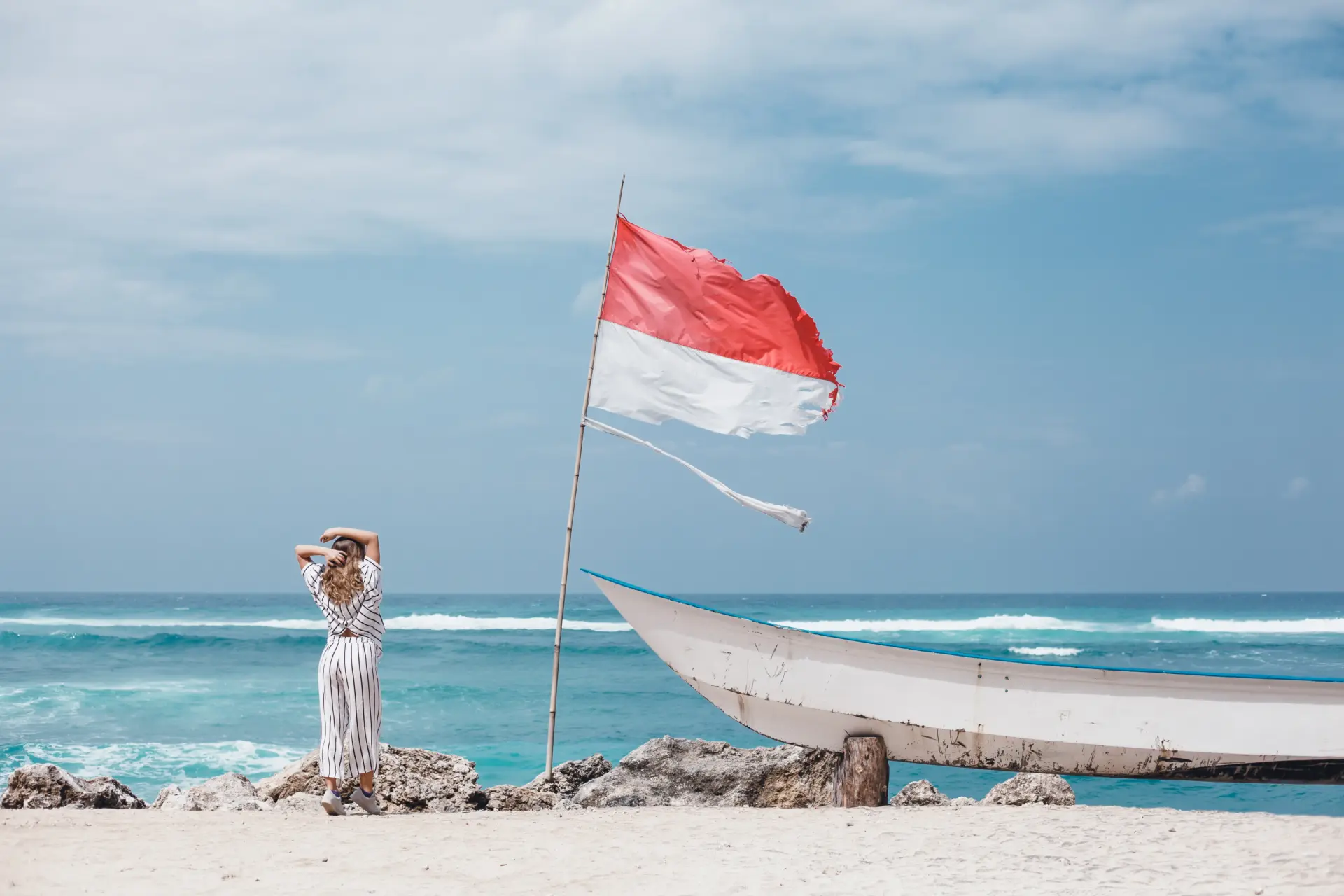
August is also the month Bali turns red and white. From the first week, every village displays Indonesian flags and umbul-umbul pennants in preparation for Independence Day on 17 August — the country’s biggest national holiday, and one of the most visible cultural moments in the Balinese calendar.
The trade-off is peak season at full intensity. August brings the European summer crowd, Australian school holiday families, the global surf community, and Indonesian domestic travellers for the long Independence Day weekend. Hotel rates are at their annual high, traffic is heavy, and popular spots fill quickly. Book accommodation, restaurants, surf lessons, and day trips well in advance.
Temperature & Comfort
Daytime temperatures across coastal Bali sit in the 27–30°C range. That sounds hot on paper, but the trade winds change the math considerably — the actual feel along the coast is closer to a breezy, dry warmth than the still tropical heat you might expect. Nights cool to 22–24°C, comfortable enough that even villas without air conditioning are perfectly sleepable. If you’re heading up to Ubud’s hills, Bedugul, or Kintamani at night, pack a light layer; highland evenings in August routinely drop into the high teens.
Rainfall & Sunshine
Rain in August is rare enough that you can plan around its absence rather than its presence. Most months in the dry season see 1–3 brief showers across the whole month, and August is firmly at the lower end of that range. When something does fall, it tends to be a short coastal sprinkle that’s gone before your driver has finished the next song on the playlist. Sunshine averages 8–10 hours per day, which means the UV is genuinely strong from mid-morning to mid-afternoon — the kind of sun that catches out visitors arriving from European or southern-Australian winters.
Sea & Underwater Conditions
Sea temperatures around Bali sit at 26–27°C in August, slightly cooler than the wet season as trade winds push warm surface water offshore. The trade-off is excellent: visibility is at its best around Nusa Penida, Amed, and Tulamben. Manta rays are reliably present at Manta Point year-round, and the mola mola (oceanic sunfish) season is in progress through August, though sightings on any given dive depend on timing and luck. Plan dives for the morning when the seas are calmest.
Surf Conditions
The West Coast keeps firing through August. South and southwest Indian Ocean swells deliver 4–10 foot waves to the Bukit Peninsula’s marquee breaks, and offshore trade winds clean up the wave faces almost daily. Surf forecasts call August one of Uluwatu’s most consistent months of the year. The downside is the crowds. Lineups at Uluwatu, Padang Padang, and Bingin are at peak density, and dawn sessions are no longer a nice-to-have but a strategy. Padang Padang also holds the waiting window for the Rip Curl Cup tube-riding invitational, with the official 2026 event schedule and updates published directly via www.ripcurl.com
Crowds & Prices
August is peak season at full intensity. Two booking patterns matter. The first is international demand, which holds across the whole month. The second is Indonesian domestic demand, which surges around the Independence Day long weekend (15–17 August in 2026, with the public holiday falling on a Monday). Accommodation, restaurants, surf lessons, and Nusa Penida day trips all need booking. For popular villas and boutique hotels, 2–3 months ahead is the right horizon. For dinner reservations at well-known restaurants on Friday and Saturday nights, 1–2 weeks ahead is usually enough.
August’s Daily Weather Rhythm
August weather is reliable enough that daily planning is about managing heat, UV, and crowds rather than rain. Front-load your day, take a break through the strongest sun, and use the evenings for the social hours.
Early Morning: 5:30 AM – 9:00 AM
This is the only window in August when Bali feels quiet. Surf lineups at Uluwatu, Padang Padang, and Bingin are workable before 8 AM and packed by 9. Temples (Tanah Lot, Lempuyang, Tirta Empul, Besakih) are walkable before the tour buses arrive at mid-morning. Mount Batur sunrise treks summit around 6 AM, with some of the year’s clearest views across to Mount Agung and, on a good morning, Lombok’s Mount Rinjani. If your trip has one priority activity, do it in this window.
Morning to Midday: 9:00 AM – 1:00 PM
Full sunshine, comfortable temperatures, and trade winds are still building. Boat trips to Nusa Lembongan and Penida run smoothest on morning departures. Snorkelling visibility is at its highest, and the inland activities (rice terrace walks, waterfall trips, cycling tours) are most pleasant before midday heat builds. Reapply sunscreen by 11 AM even if you applied it at breakfast.
Afternoon: 1:00 PM – 6:00 PM
The trade winds peak in the early afternoon. On the coast, this keeps beach clubs comfortable, with pool, sun loungers, and ocean breeze working in concert. On exposed beaches and small boats, the same winds bring chop and blowing sand. Surfers will find afternoon wave faces less clean than morning ones at marquee spots. This is the right window for indoor culture (cooking classes, spa treatments, gallery visits in Seminyak or Ubud) or for committing fully to a beach club until sunset.
Evening: 6:00 PM – Late
August sunsets are reliably clear. The Bukit clifftop bars, Seminyak and Canggu beach clubs, and Jimbaran’s seafood warungs all fill from around an hour before dusk. Dinner reservations are essential at popular restaurants, often a week ahead for Friday and Saturday. Tourist-area roads are at their busiest between 6 and 9 PM as Indonesian visitors come out for dinner. Plan transfers with buffer time.
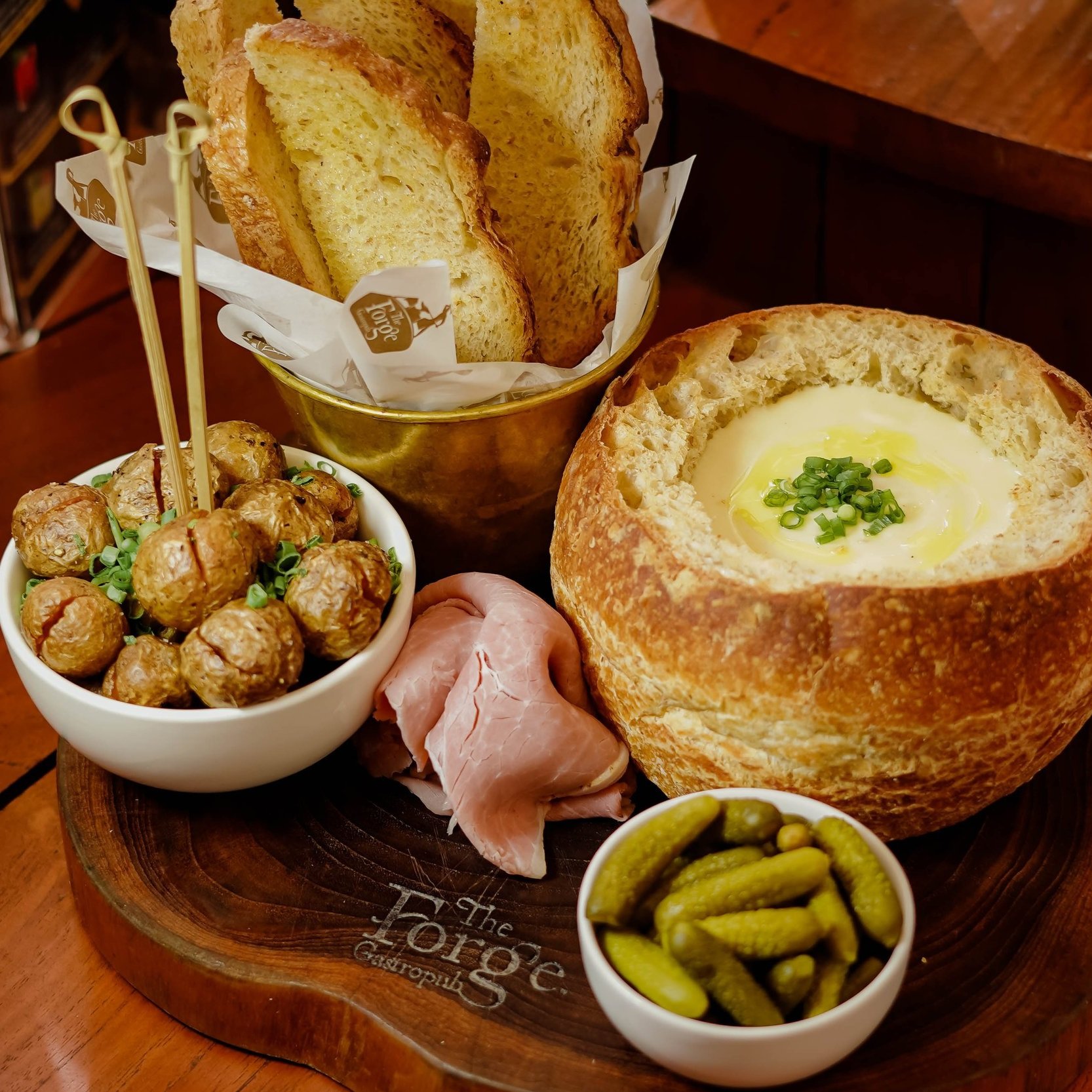
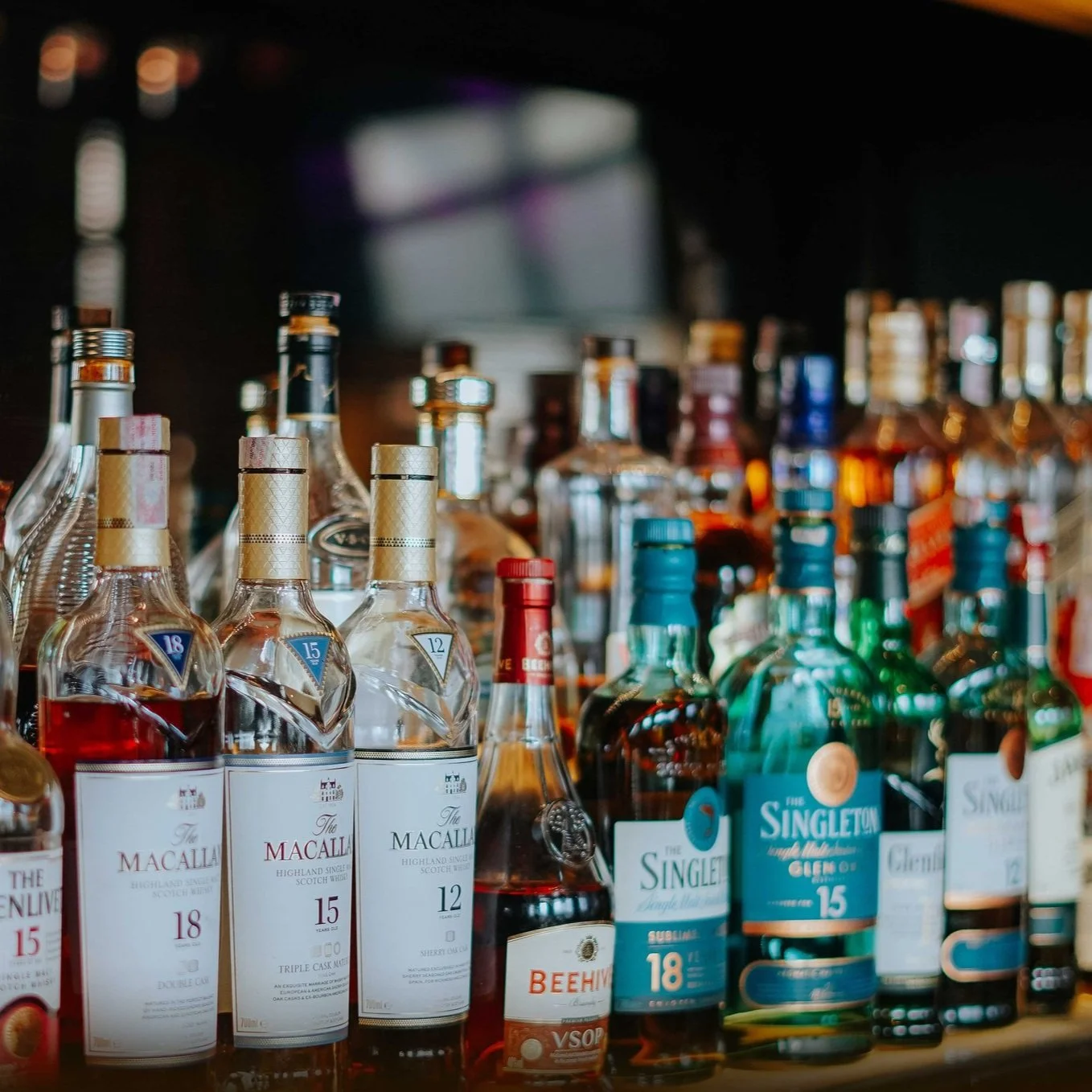
August is Bali at full intensity. Dry-season sun, peak-season crowds, and a sport calendar that doesn't stop. The Forge stays exactly what regulars love. Cold craft beers, ice-cold Bintangs, world sport across every timezone on every screen, and a kitchen running pub classics from open to close. Whether you've just survived the morning Seminyak traffic, escaped the early afternoon heat with a long lunch, or you're locked in for the late kick-off, The Forge is where August in Bali tastes best. Book your table at forgebali.com/reservations.
Best Things to Do in Bali in August
August packs the broadest activity range of the Bali year. Cultural events sit alongside peak-season surf, dive conditions are excellent, and the dry weather opens up every highland hike that wet-season rain shuts down. The trick is sequencing your itinerary around morning hours and not trying to fit everything into the same day.
Independence Day Celebrations
The defining August experience has nothing to do with the beach. Indonesian Independence Day on 17 August is a grassroots community event held in villages across Bali. Watching the morning flag-raising ceremony, the panjat pinang (greased-pole climb), sack races, or gerak jalan (synchronised marching) is free, genuinely welcoming to respectful visitors, and one of the few moments where international tourists and Balinese-Indonesians share a public occasion as equals. Ask your hotel or driver where local celebrations are held; they’re often within walking distance. Watch first, smile, cheer, and ask before close-up photography. If invited to join a game, accept with good humour.
Surfing
August delivers Bali’s most consistent and cleanest surf of the year. The Bukit Peninsula trade winds are at their absolute peak — this is why the global surf community locks in their Bali trips for August.
- Uluwatu — the world-famous left-hander at 6–10ft; long walls and powerful tubes for advanced surfers
- Padang Padang — legendary barrels at their best; strictly experienced surfers only at peak swell
- Bingin — punchy, hollow waves across the ability range
- Impossibles — long, fast walls connecting to Padang Padang in big swells
- Dreamland and Balangan — less crowded alternatives with quality waves
- Kuta Beach and Canggu — ideal for beginners and intermediate learners
- Medewi (West Bali) — a long left-hander away from the Bukit crowds
Diving & Snorkelling
Dry-season visibility is among the year’s best in August, and the cooler water at depth makes longer dives genuinely comfortable. Plan boat departures for the morning when seas are calmest.
- Nusa Penida. Manta rays at Manta Point year-round, plus mola mola in season.
- Tulamben. The USAT Liberty shipwreck is accessible from shore and beginner-friendly.
- Amed. Calm east-coast diving and snorkelling, excellent for first dives and Open Water courses.
- Nusa Lembongan. Drift diving and manta encounters from a less-crowded base.
- Menjangan Island (West Bali National Park). Pristine walls, well off the tourist trail.
Highland Adventures
August’s dry conditions make this the strongest month of the year for hikes that wet-season rain shuts down. Trails are firm, mountain visibility is exceptional, and the river flow from the previous wet season still supports rafting.
- Mount Batur sunrise trek. Pre-dawn start, summit at 6 AM, clearest views of the year across Bali and Lombok.
- Mount Agung trek. The serious one. Dry season only, guide required, all-night start.
- Campuhan Ridge Walk, Ubud. Short, easy, beautiful in golden morning light.
- Sekumpul and Gitgit Waterfalls (North Bali). Reduced flow but still scenic and far less crowded than Tegenungan.
- White-water rafting on the Ayung River. Still flowing well, gentle enough for families.
- Lovina dolphin watching. Calm August seas, reliable morning trips.
Culture & Slow Days
The cultural calendar in August is rich beyond Independence Day. Temple ceremonies (odalan) happen across the island year-round and are visible to respectful visitors who follow basic etiquette.
- Kecak fire dance at Uluwatu. Performed at sunset against the cliff backdrop. Book in advance.
- Tanah Lot. The iconic sea temple. Arrive at least 90 minutes before sunset for parking and crowd management.
- Tirta Empul. Sacred springs and purification ceremony. Best in dry-season morning conditions.
- Lempuyang. The ‘Gates of Heaven’ temple. Best at sunrise to avoid both crowds and midday heat.
- Cooking classes (Ubud and Seminyak). Indoor cultural experiences that work in any conditions.
- Canang sari making workshops. The Balinese daily offering is taught by local hosts.
Events & Festivals in August
August offers one of Bali’s richest event calendars. Independence Day takes centre stage, alongside major festivals, an international road race, and a prestigious surf invitational.
Indonesian Independence Day (August 17th)
Indonesia declared independence from Dutch colonial rule on 17 August 1945. The anniversary, locally called Hari Kemerdekaan or Tujuhbelasan (‘the Seventeenth’), is the country’s biggest national holiday. In 2026, it falls on a Monday, creating a long weekend for Indonesian domestic travel.
The day begins with formal flag-raising ceremonies at 7 AM in every regency, broadcast live from the presidential palace in Jakarta. Through the afternoon, the focus shifts to traditional games in village squares and community fields. Panjat pinang (a greased pole hung with prizes, climbed by teams forming human pyramids) is the most famous, but sack races, tug-of-war, eating contests, and gerak jalan (synchronised marching) all feature. Visitors are welcome to watch respectfully. Ask before close-up photography of participants, let local hosts invite you in rather than inserting yourself, and don’t film children without parental consent. Banks and government offices close. Tourist-area restaurants and beach clubs stay open.
Ubud Village Jazz Festival (7–8 August 2026)
A two-night festival at Sthala Ubud, a Marriott property in Lodtunduh just south of central Ubud. Indonesian and international jazz musicians perform on intimate stages set among rice fields and gardens. Founded in 2013, the festival has grown into one of Indonesia’s most respected jazz events and regularly sells out. Book tickets and accommodation in advance if jazz is part of your trip.
Maybank Bali Marathon (21–23 August 2026)
Indonesia’s only World Athletics Elite Label road race. Race day is Sunday, 23 August 2026, at the Bali United Training Centre in Gianyar Regency, with race-pack collection on 21 and 22 August. Distances cover the full marathon (42.195 km), half marathon (21.1 km), and 10K, with the course winding through Gianyar’s rice terraces and traditional villages. Balinese musicians and dancers perform along the route. Even if you’re not running, expect traffic and accommodation pressure around Gianyar over the weekend. Registration via maybank.co.id.
Buleleng Festival (23–28 August 2026)
North Bali’s flagship cultural festival is held annually in Singaraja, the regency capital. The festival showcases the food, traditional arts, music, and crafts of Bali’s less-touristed north. It is community-focused, free to attend, and a refreshing contrast to the international beach-club scene of the south. Pair with a North Bali itinerary covering Lovina dolphin trips, Sekumpul Waterfall, and the hot springs at Banjar.
Rip Curl Cup Padang Padang
The world’s most prestigious tube-riding invitational holds a multi-week waiting period across August, running only when Padang Padang’s swell, wind, and tide align perfectly. When the event is called on, spectators line the cliffs to watch elite surfers tackle the Balinese Pipeline, with live updates and official schedules posted directly at ripcurl.com.
What to Pack for August in Bali
August packing is dry-season gear with serious sun protection.
Clothing Essentials
- Lightweight, breathable day clothes. Cotton, linen, and moisture-wicking fabrics work well with the trade-wind breeze.
- Multiple swimwear sets. Beach, pool, surf, and snorkel usage adds up quickly in tropical heat.
- Light jacket or hoodie. Ubud, Kintamani, Bedugul, and Munduk drop to 16–18°C at night.
- Smart-casual outfit. Beach clubs and upmarket restaurants discourage swimwear and singlets at dinner.
- Sarong. Required for temple visits. Widely available locally for around Rp 50,000.
- Comfortable walking shoes for temple grounds, rice terrace paths, and village walks.
- Optional: something red and white for the Independence Day weekend if you’d like to dress in keeping with the holiday.
Sun & Protection
- SPF 50 sunscreen. 9 hours of daily sun burns faster than dry air suggests. Reef-safe formulations required for snorkelling and diving.
- Wide-brimmed hat and UV-protection sunglasses.
- Reusable water bottle. Trade winds mask sweat loss; 3 litres a day on active days is the right baseline.
- Electrolyte tablets or sachets for trekking and surf days.
- Insect repellent. Mosquito activity is lower in the dry season, but is still present inland and at dusk.
- Aloe vera or after-sun gel. Widely available locally, but having some from day one saves a painful first evening.
Activity-Specific
- Rash guard for surf, snorkel, and extended swim sessions. Doubles as sun protection.
- Waterproof phone case or dry bag for boat trips and waterfall outings.
- Trekking shoes for Mount Batur or Agung. Trail-running shoes are fine for Batur; proper hiking boots are better for Agung.
- 3mm wetsuit or thermal rash guard for divers. Water cools at depth, especially around Nusa Penida.
- Portable charger or power bank for long activity days.
Best Areas to Stay in August
Every region of Bali is operating at peak quality in August. The choice is less about which area is open and more about what kind of trip you want to build.
Seminyak / Petitenget — Dining, Beach Clubs & The Forge
Seminyak operates at full intensity through August. Restaurants, beach clubs, and bars all run at maximum quality and capacity. Petitenget, the area along Jl. Petitenget, which hosts The Forge and a high concentration of Bali’s most-talked-about restaurants, is walkable and within easy reach of the beach. Trade winds keep the air pleasant. Best for: foodies, nightlife seekers, sports bar fans, couples on shorter trips, and anyone wanting good restaurants and bars within walking distance.
Bukit Peninsula / Uluwatu — Surf & Sunsets
The Bukit is the obvious choice if surfing or clifftop views anchor your trip. Uluwatu, Padang Padang, Bingin, Impossibles, and Dreamland are all firing in August, and the Rip Curl Cup waiting window keeps the global surf community oriented around Padang. Sunset bars on the cliffs (Single Fin, El Kabron, Ulu Cliffhouse) are among Bali’s best. Accommodation ranges from budget surf camps in Bingin to clifftop boutique hotels with extraordinary Indian Ocean views. The Bukit is somewhat self-contained; reaching Seminyak or Ubud takes time. Best for: surfers, sunset chasers, boutique hotel travellers, couples wanting cliffside drama.
Canggu — Best for Digital Nomads & Social Scene
Canggu hits its annual social peak in August. The café, co-working, and beach-club scene runs at maximum intensity, the surf at Batu Bolong and Echo Beach is accessible to all levels, and the nightlife on Jl. Batu Mejan and Jl. Pantai Berawa draws an international crowd. Canggu traffic in August is genuinely severe; the road network wasn’t designed for the volume. Stay close to your daily life area to keep travel times manageable. Best for: digital nomads, younger travellers, longer-stay visitors, intermediate surfers, and anyone who wants to be in the middle of the social scene.
Ubud — Best for Culture & Calm
Ubud in August offers a different version of Bali from the beach south. The Ubud Village Jazz Festival in early August gives a strong cultural draw. Jungle valleys, the Campuhan Ridge, and forested riverbeds are at their dry-season walkable best. The wellness, yoga, and retreat scene runs at full capacity. One note: Ubud’s rice fields look different in August than in earlier months. Much of the rice is harvested or being harvested by late June, so the iconic emerald-green photos are easier in June and July. Best for: cultural travellers, wellness seekers, families with school-age children, and anyone wanting a quieter base than the south coast.
Sanur — Families & Cultural Proximity
Sanur is the quietest of Bali’s main coastal hubs. A reef-protected lagoon, a long promenade good for walks with strollers and bikes, and a relaxed multi-generational crowd. In August, Sanur sits next to two practical advantages: kite-season activity at Padang Galak Beach (just north of Sanur) and quick harbour access to Nusa Penida and Lembongan. Best for: families with young children, slower-paced trips, kite-festival watchers, divers staging Penida trips.
Nusa Dua / Jimbaran — Resort Comfort
Nusa Dua’s gated five-star resort district and Jimbaran’s classic sunset seafood bay offer the most predictable side of Bali. Calm, swimmable beaches, well-managed resort facilities, sedate atmosphere, and the lowest baseline traffic stress of any south Bali area. The trade-off is needing transport for almost anything beyond the resort. Best for: resort holidays, honeymooners, families wanting an all-inclusive base, repeat visitors who want comfort without compromise.
August in Bali — Practical Tips
Booking & Timing
- Book accommodation 2–3 months in advance for villas and boutique hotels.
- The Independence Day long weekend (15–17 August in 2026) tightens availability further as Indonesian domestic travel adds to international demand.
- Reserve Friday and Saturday dinners 1–2 weeks ahead at popular Seminyak, Canggu, and Ubud restaurants.
- Book surf lessons 2–3 days ahead for Uluwatu-area schools; demand is at the annual peak.
- Nusa Penida day trips fill quickly. Book at least 24 hours ahead through your accommodation or a reputable operator.
- Maybank Marathon entries close well before race day. Details at maybank.co.id.
Independence Day Practicalities
- Banks, government offices, and most postal services close. ATMs and tourist-area businesses generally remain open.
- Expect quieter tourist-area mornings on 17 August and busier evenings as Indonesian visitors come out for dinner.
- Major arterial roads can be temporarily affected by community parades. Budget extra time for inter-area transfers.
- Traditional games are public and welcoming, but treat them as community events, not photo ops. Watch first, ask before close-up photography, and join in only if invited.
- Many villages are decorated from early August through the end of the month. The red-and-white pennants are one of the more photogenic moments of the Balinese calendar year.
Heat & Sun Management
- Front-load active outdoor activity before 9 AM. The difference in heat and crowd density is real.
- Reapply sunscreen every two hours, not just at breakfast.
- Hydrate steadily through the day. Trade winds mask how much you’re sweating.
- Use the early afternoon for pool, spa, or air-conditioned indoor time rather than fighting peak UV.
- Sunglasses and a hat are everyday gear, not optional accessories.
Health & Comfort
- Drink bottled or filtered water only. Ice in reputable venues is fine; use judgment at roadside stalls.
- Mosquito activity is lower than in the wet season but still present, particularly inland and at dawn and dusk.
- ATM withdrawals: stick to bank-affiliated machines (BCA, Mandiri, BNI) in well-lit, busy locations to minimise skimming risk.
- Carry a basic first-aid kit (plasters, antiseptic, electrolyte sachets) either packed or picked up from a local pharmacy on day one.
Other Monthly Weather Guides
In Bali? Find Your Table
Whatever the weather outside, The Forge is your home base. Cold craft beers, live sports on the big screen, and the best gastropub food on the island — rain or shine, we’re open every day.
-
Food -
Drinks -

Sports