


Bali’s wildlife turns up almost everywhere, from temple courtyards and hotel gardens to rice fields, forests, and the sea. Some animals are important cultural symbols, others are shamelessly good at stealing snacks, and a small number deserve genuine caution.
Read on to find out what kind of animals travellers may encounter, which creatures are usually harmless, and when a bite, sting, or scratch should be taken seriously – so you know what to admire, what to avoid, and when to seek help!
What Animals Will You Find in Bali?
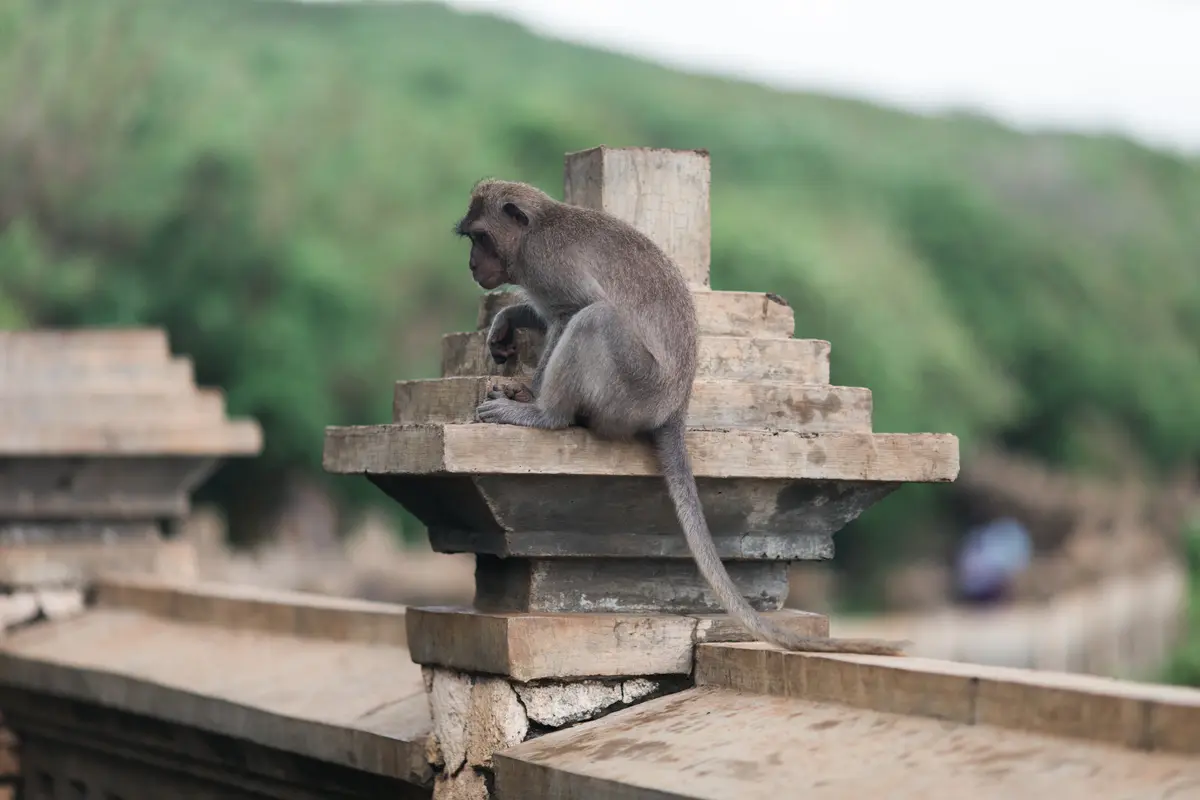
Bali’s animals fall into several groups. Culturally significant species include Bali cattle, white cattle, the critically endangered Bali starling, and sea snakes regarded as guardians near Tanah Lot. Long-tailed macaques are the most visible wild mammals, particularly at Ubud Monkey Forest, Uluwatu Temple, and Lempuyang.
Offshore, Bali supports sea turtles, reef sharks, manta rays, and ocean sunfish. Travelers may also encounter free-roaming dogs, venomous snakes, and disease-carrying mosquitoes.
Dangerous Animals in Bali: What Is Actually Risky?
Mosquitoes
The animal most likely to affect a Bali vacation is much smaller than a cobra. Dengue is transmitted by infected mosquitoes and remains an ongoing risk in Indonesia. Use repellent, wear covering clothing when suitable, and reduce exposure around gardens and standing water. Seek medical care for fever, severe headache, rash, unusual bleeding, or worsening weakness.
Rabies From Monkeys and Stray Dogs
Rabies is present in Indonesia, and infected dogs are commonly reported. Monkeys can also bite or scratch visitors. Any bite, scratch, or saliva contact with broken skin should be washed immediately with soap and running water, followed by urgent medical assessment. Rabies is preventable after exposure when treatment begins promptly, but fatal once symptoms develop.
Venomous Snakes
Searches for poisonous animals in Bali often lead to the island’s venomous snakes. These include king cobras, spitting cobras, kraits, pit vipers, and venomous sea snakes. Encounters are more likely around vegetation, rice fields, waterways, and poorly lit areas. Wear closed shoes at night, use a flashlight, and never try to catch or kill a snake. After a suspected bite, remain still and obtain emergency care immediately.
What About Crocodiles and Jellyfish?
Saltwater crocodiles occur across Indonesia, although the supplied sources report no confirmed attacks in Bali and sightings are unusual. Jellyfish are a more realistic coastal nuisance. Ask local operators about conditions, leave the water after a sting, and seek urgent help for breathing difficulty, collapse, severe pain, or widespread symptoms.
Sea Animals in Bali
Four turtle species are associated with Bali’s waters: hawksbill, green, loggerhead, and olive ridley turtles. Choose reputable operators and never touch or chase marine animals.
Nusa Penida’s protected waters support manta rays, green turtles, sharks, and mola, or ocean sunfish. Manta rays are present year-round. Conservation guidance places the more predictable mola season between July and October, when cooler upwelling brings the fish toward cleaning stations. Sharks are present, mainly reef species, yet attacks around Bali remain rare. Currents, waves, boats, and poor visibility deserve more attention than sharks.
Other Wildlife You Might Encounter
House geckos are common insect hunters. Larger tokay geckos can bite when handled. Monitor lizards, butterflies, frogs, bats, spiders, civets, birds, and barking deer add to the island’s wildlife. The Bali starling is best sought through responsible conservation programs in West Bali.
Safety Tips When Encountering Bali’s Wildlife
Near monkeys, secure sunglasses, phones, food, and loose bags. Avoid direct eye contact, and do not panic or run if one approaches. Never feed or pet stray dogs. Use mosquito repellent, wear closed footwear after dark, and keep distance from unfamiliar wildlife.
After any potentially rabid bite or scratch, venomous bite, or serious sting, go to a medical facility immediately! Do not risk anything.
And if you’re done exploring Bali’s exquisite and enchanting nature, you might want to take a rest and get something delicious to eat – if you happen to be in Seminyak, don’t forget to browse Our menu, check the Sports schedule, and book your seat at The Forge. A warm meal and a familiar scoreboard make a pleasant return from Bali’s wilder side.