


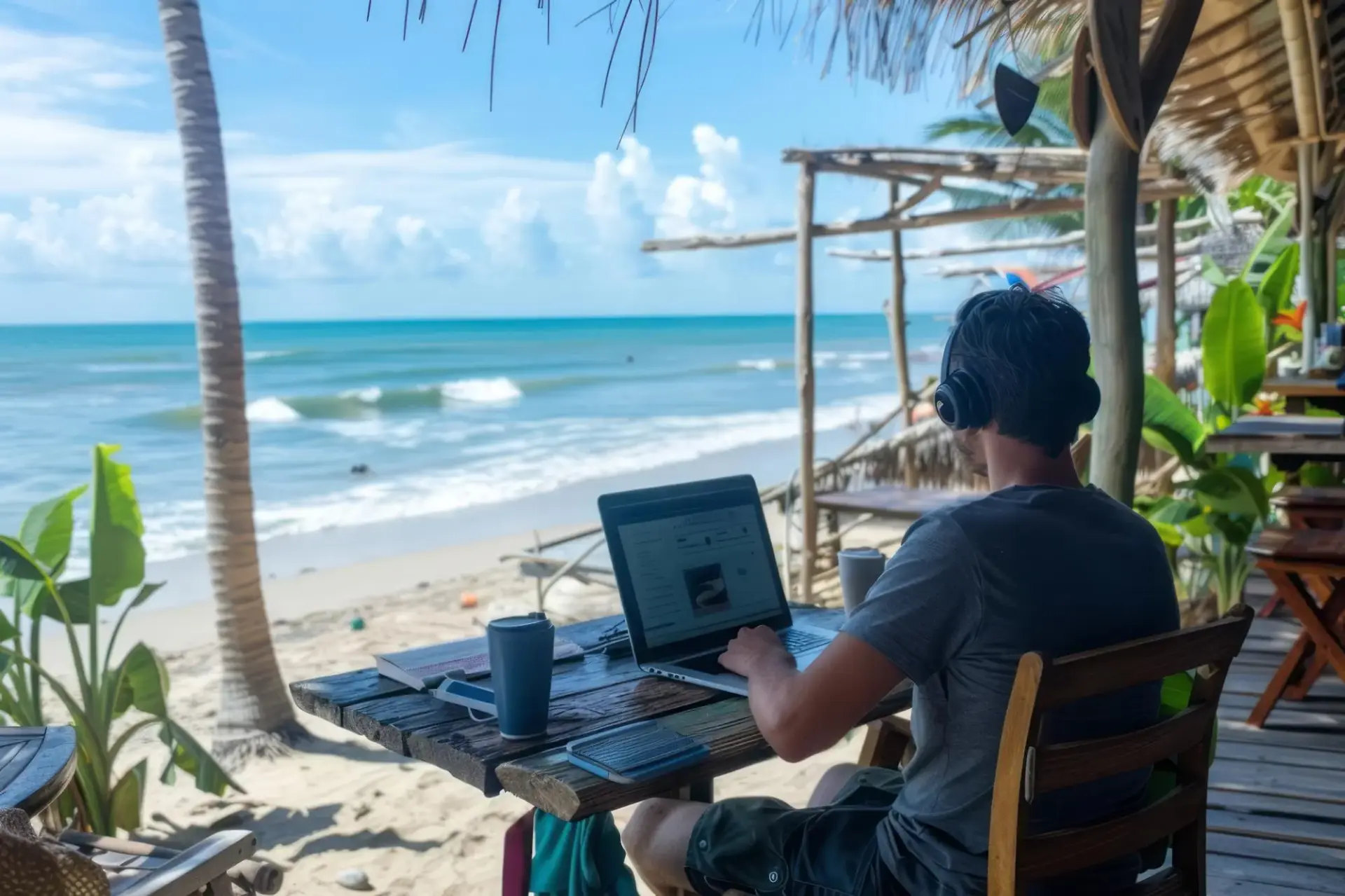
Bali can make the digital nomad setup look almost too easy. There are coworking spaces, fast Wi-Fi, monthly rentals, and cafés everywhere. The visa side deserves a little more homework. Short stays are often arranged on visit visas, while remote employees planning longer stays can look at Indonesia’s one-year E33G Remote Worker visa.
For those based around Seminyak, places such as The Forge in Petitenget also give the working week somewhere to go once the laptop shuts. If Bali is becoming more than a holiday with email, here is what to know about the rules, costs, neighborhoods, and social side!
Is It Legal to Be a Digital Nomad in Bali?
Remote work in Indonesia depends heavily on what you do and who pays you. The E33G visa allows assignments for an overseas company, while prohibiting paid work for Indonesian individuals or companies and the sale of goods or services locally. Visit visas are different. Official immigration conditions say they are for visit purposes and prohibit profit-making activities, so they should not be treated as a general work permit.
Tax is another line to watch. Indonesia generally considers a foreign national a domestic tax subject after more than 183 days in the country within a 12-month period, although individual circumstances and tax treaties can affect the final position.
Which Visa Do You Need?
For shorter stays, Indonesia offers visit visas with stays of up to 60 days and extension options, depending on the category. One common 60-day visit visa carries an official fee of IDR 1 million.
For eligible remote employees, the E33G Remote Worker visa is clearer. It allows up to one year in Indonesia and multiple entry while the permit remains valid. Applicants need an overseas employment contract, proof of at least US$60,000 in annual income, bank statements showing at least US$2,000, and supporting documents. The official government fee is IDR 7 million. Visa agents may charge more, so do be cautious with that.
What Does It Actually Cost to Live in Bali as a Nomad?
A lean Bali digital nomad cost of living can sit around US$1,000 a month if you choose a guesthouse, eat at local warungs, and keep transport simple.
For a more comfortable routine, budget closer to US$2,000. Guesthouse rooms may start around US$450–500 a month in popular areas, while private villas in Canggu can reach US$1,500 or more. Coworking memberships often cost US$100–200 monthly. Imported food, alcohol, gyms, and frequent Western-style dining push the total higher.
Where to Stay as a Digital Nomad in Bali
Canggu has a large social scene, coworking options, surfing, gyms, and an international crowd. It suits nomads who want networking close at hand, though traffic and higher rents come with it, while Ubud offers coworking, wellness spaces, vegetarian dining, and access to rice fields and cultural sites.
Uluwatu works well for surfers and people happy with a more spread-out area. Sanur is walkable and settled, with cafés and a growing remote-work scene. Seminyak suits nomads who want restaurants, nightlife, beach access, and easy proximity to Petitenget without living in Canggu.
Digital Nomad Community and Where to Connect
Coworking spaces regularly host talks, workshops, and meetups, while coliving properties make introductions easier. Facebook groups for Bali expats and digital nomads, Reddit communities, fitness studios, yoga classes, and local events offer more ways to meet people. For visa or tax advice, verify what you hear with official sources.
A Nomad’s Evening in Seminyak and Where The Forge Fits In
Once the laptop closes, The Forge in Petitenget makes an easy after-work stop for dinner, drinks, or a live match with other expats. Check the Sports schedule before heading over, browse our menu if dinner is part of the plan, or book your seat when a major game is likely to draw a crowd.
Bali works best for remote workers who get the admin out of the way first. Sort the right visa, keep an eye on your tax position, and choose a neighborhood that actually fits the way you work and live. Then leave some room for the reason you came in the first place. The laptop can have the daytime, after all, Seminyak tends to make a decent case for keeping the evening