

Understanding the Rich Traditions and Culture of Bali
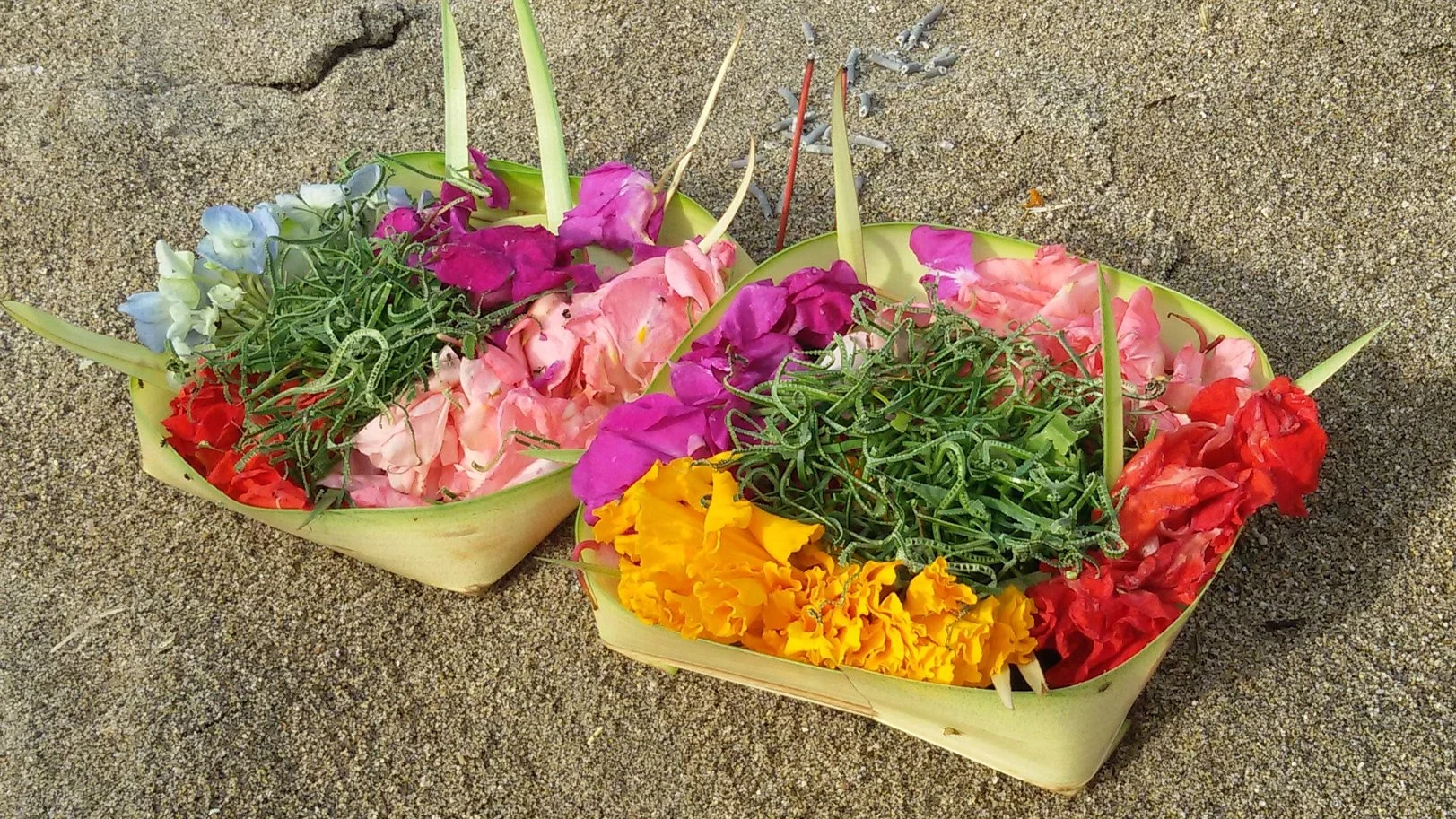
To understand Bali properly, it helps to look beyond the beaches and villa check-ins. The island’s daily rhythm is influenced by ritual, offerings, temple life, and a form of Hinduism that remains highly visible in public space. That context changes the way a trip feels. It also makes places like The Forge Bali more useful than they first appear.
Travel itineraries in Bali often sound romantic on paper and exhausting by evening. Between cultural stops, long drives and nightlife plans, even the most enthusiastic visitor will appreciate a dependable spot to eat, rest and gather themselves before the next outing.
At the center of Bali culture and traditions is Balinese Hinduism, locally practiced as Agama Hindu Dharma. Religion is not tucked away from daily life. It sits in family compounds, village temples, roadside shrines, work routines, and ceremonies that mark everything from birth to death. One of the clearest ideas behind this is Tri Hita Karana, a philosophy centered on harmony between people, nature, and the divine. Once you know that, a lot of Bali starts to make more sense: why architecture is arranged carefully, why ceremonies take over streets, why water, mountains, and temples carry such weight.
Offerings are one of the most visible parts of that system. Canang sari, the small woven trays filled with flowers and other items, are placed daily outside homes, businesses, temples, and sidewalks. For visitors, they can look decorative at first glance. They are not decoration. They are part of a living ritual practice meant to maintain balance and express gratitude. That is why one of the simplest dos and don’ts in Bali is also one of the most important: do not step on offerings if you can avoid it. It sounds obvious until you are trying to dodge scooters, puddles, and your own sense of direction all at once. It’s like trying to juggle water.
Temple etiquette matters too. Bali has thousands of pura, or temples, each with its own function, from sea temples to village temples to family shrines. Visitors are usually welcome in many temple areas, though not everywhere and not during every ritual. Dress respectfully. That generally means wearing a sarong and sash when required, covering shoulders when appropriate, and following local instructions at the entrance. Do not climb on shrines, interrupt prayers, or treat sacred areas like a photo set. In traditional villages, the same principle applies: observe first, ask when unsure, and remember that what feels picturesque to a visitor may be part of someone’s spiritual routine.
Ceremony is another major part of Bali’s cultural life. Religious events mark life stages such as birth, puberty, marriage, and death, along with major holy days like Nyepi, Galungan, and Kuningan. These ceremonies connect families, ancestors, and communities across generations. Nyepi, the Balinese Day of Silence, is perhaps the clearest example of how seriously the island treats spiritual balance. The airport closes, roads empty, and daily life stops. Modern tourism does not erase these traditions, it works around it.
The arts remain one of the strongest ways Balinese Hindu culture is preserved. Dance is not simply performance for visitors. Forms such as Kecak and Legong carry stories, discipline, and ritual value. Gamelan music, with its layered percussion and metallic tones, is equally central, shaping ceremonies and performances across the island. Wood carving, stone carving, textiles, and silverwork continue that relationship between devotion, craftsmanship, and daily life.
This is also what answers the question, what is the main culture in Bali? It is Balinese Hindu culture, sustained through ritual, community, and art, while still adapting to modern pressures. Bali changes, of course. Cafes multiply, traffic gets worse, and phones appear everywhere, including in front of temple gates.
A visit tends to feel richer when that structure is given its due. Browse Our menu, check the Sports schedule, and make a reservation if The Forge fits into your Bali plans. The island offers plenty to look at, though it becomes far more interesting once you start paying attention to what is being practiced, protected, and passed on.
