


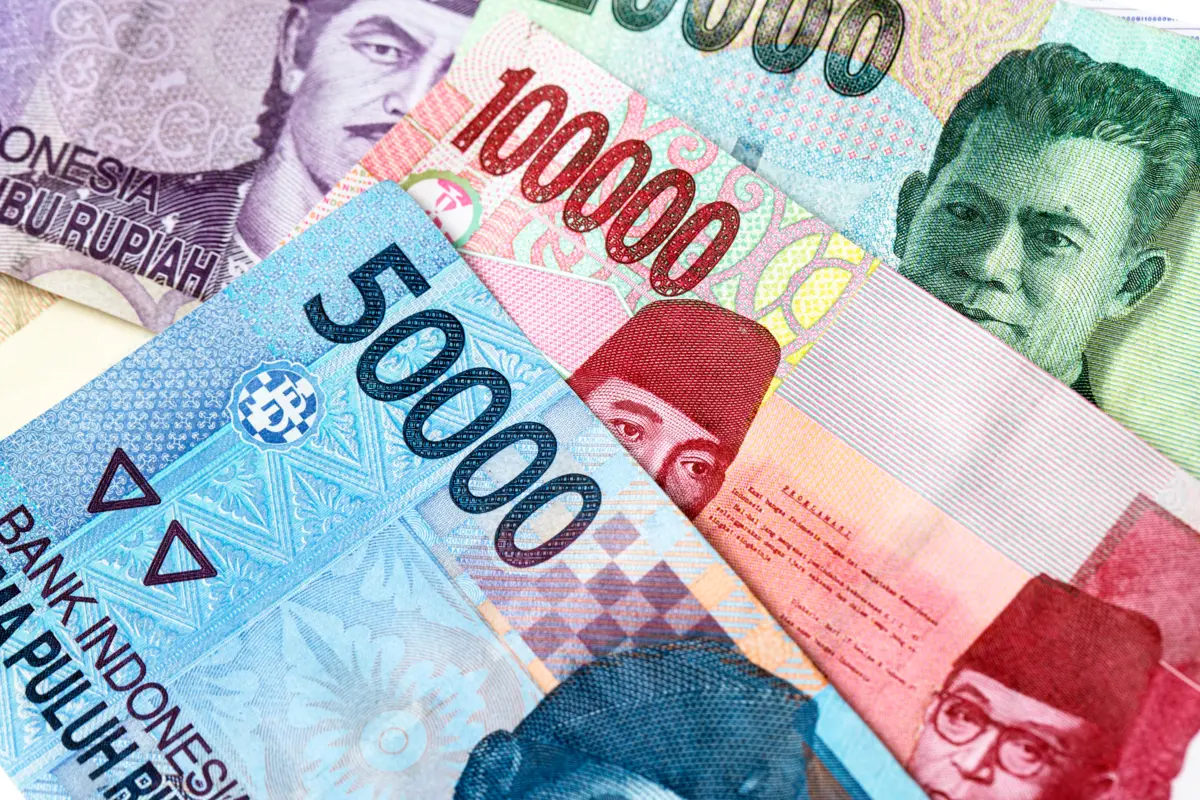
The currency used in Bali is the Indonesian Rupiah (IDR), usually written locally as Rp. It is the official legal tender throughout the island, and even travellers relying mainly on cards should keep some cash handy. Rupiah covers everything from small warung bills and temple parking to taxis, tips and the occasional card machine that has chosen a very inconvenient moment to stop cooperating.
While cards are widely accepted in Bali’s main tourist areas, particularly at hotels, restaurants and larger shops, cash remains useful for smaller businesses and once you move beyond the busiest visitor hubs. Knowing where to exchange money safely, how much cash you can legally bring into Indonesia and which foreign currencies are easiest to convert can save a fair bit of confusion once you land.
Understanding Bali Currency
Bali does not have its own separate currency. As part of Indonesia, the island uses the Indonesian Rupiah. Banknotes commonly come in denominations from Rp1,000 to Rp100,000, while coins cover smaller amounts. The number of zeros can take a little getting used to, so checking the current Bali currency rate before spending a larger amount is worth doing.
Keep smaller bills handy too. Warungs, parking attendants, market stalls and smaller vendors may struggle to break a Rp100,000 note, while Rp5,000, Rp10,000 and Rp20,000 notes are much easier for everyday purchases.
Where to Exchange Currency in Bali?
There are three straightforward ways to get Rupiah once you are in Bali. ATMs are widely available around tourist areas and are often the easiest choice. Stick to machines operated by established Indonesian banks such as BCA, Bank Mandiri and BNI, preferably inside a bank, shopping center or another secure location. Check your own bank’s international withdrawal fees before traveling.
When an ATM or card terminal asks whether you want to be charged in your home currency or IDR, choose IDR. Paying in your own currency can trigger Dynamic Currency Conversion, where the exchange rate is set by the ATM operator or merchant and may be less favorable.
Licensed money changers are another option. Established operators and authorized exchange bureaus are available throughout places such as Seminyak, Kuta, Legian and Canggu. Check the displayed rate before handing over your cash, ask about fees, and count the Rupiah yourself before leaving the counter.
A rate that looks dramatically better than everywhere else deserves suspicion. Tiny roadside booths promoting unusually generous rates or questionable “no commission” offers can use hidden fees or counting tricks to make up the difference.
Banks also exchange foreign currencies and are a reliable choice, although opening hours and queues can make them less convenient than ATMs or licensed exchange counters. Airport exchange booths work in a pinch, but their rates are often less competitive. Exchange enough for your immediate needs, then sort out the rest once you reach town.
How Much Currency Can I Carry to Bali?
There is no blanket restriction on bringing large amounts of cash into Indonesia, but there are declaration rules once you reach certain thresholds.
If the total cash you are carrying is worth IDR 100 million or more, or the equivalent in another currency, it must be declared to Indonesian customs on arrival. Amounts above IDR 1 billion require prior approval from Bank Indonesia.
For most holidays, there is little reason to travel with anything close to those sums. ATMs are widely available in Bali’s main tourism areas, and keeping only a sensible amount of cash on hand also means there is less to worry about should your wallet decide to go missing before you do.
What Is the Best Currency to Take to Bali?
The easiest answer is Indonesian Rupiah. It can be used everywhere without another conversion, and having some ready when you land makes paying for transport, snacks or smaller purchases much simpler.
If getting IDR before departure is inconvenient, US Dollars, Australian Dollars and Euros are among the easiest foreign currencies to exchange in Bali. Bring clean, undamaged notes, as money changers can be particular about torn, marked or heavily worn foreign bills.
Once you have Rupiah, carry enough cash for smaller purchases and areas where cards may not be accepted, while keeping the rest secure at your accommodation. If you are eating out, it is also useful to understand local tipping habits before the bill arrives.
In Seminyak and other major tourist areas, many restaurants and bars accept several payment methods, so dinner does not require arriving with a wallet stuffed full of Rupiah. The Forge is one such option. You can check out the menu beforehand and book your seat when you are ready to go.